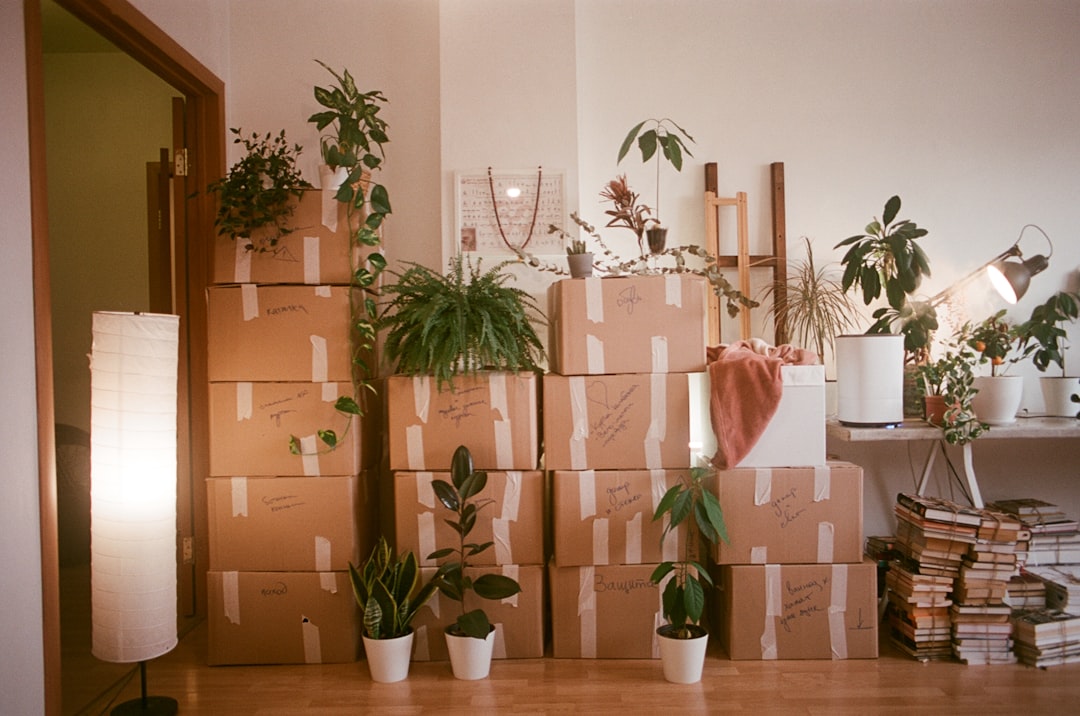
Moving out of a rental is usually less about one big task and more about timing, documentation, and follow-through. This guide gives you a reusable moving out of an apartment checklist you can return to whenever a lease is ending, a roommate situation changes, or you need to protect your security deposit. Use it to plan notice, organize cleaning, document the unit, and close out utilities and keys with fewer surprises.
Overview
If you want an apartment move out checklist that actually helps, focus on four goals: give proper notice, leave the unit in reasonable condition, document everything, and keep a written record of every handoff. Those steps matter whether you are ending a fixed-term lease, leaving a month-to-month rental, or moving out early with permission.
The exact rules for an end of lease move out can vary by lease and location, so start with your own documents first. Read the lease for notice periods, cleaning expectations, key return instructions, utility responsibilities, and any move-out procedures. If anything is unclear, ask the landlord or property manager in writing. A short email is often enough, but the important part is having a date-stamped record.
Here is the simplest way to think about the process:
- Before move-out: confirm your notice deadline, book movers, sort repairs, and plan cleaning.
- During the final week: remove all belongings, patch minor damage if allowed, deep clean, and photograph the empty unit.
- On move-out day: return keys, garage remotes, parking passes, and provide a forwarding address.
- After move-out: keep copies of notices, photos, receipts, and follow up on the deposit timeline listed in your lease or required by local law.
If you are still planning your next place, it can help to compare this list with an apartment hunting checklist and a practical guide to apartment move-in costs so the exit from one rental and entry into the next are organized together.
Checklist by scenario
This section gives you a tenant notice to vacate checklist and move-out workflow by common rental scenario. Use the one closest to your situation, then add any lease-specific requirements.
Scenario 1: Fixed-term lease ending as scheduled
This is usually the most straightforward version of moving out, but it still requires timing.
- Check the lease end date and whether notice is still required even though the term is ending.
- Review any automatic renewal language. Some fixed-term leases roll into month-to-month if notice is not given.
- Send written notice by the required deadline and keep a copy.
- Ask for move-out instructions, including cleaning standards, key return, and inspection options.
- Schedule utility shutoff or transfer for the day after you leave if possible, so you still have power and water during cleaning.
- Reserve elevators, loading docks, or parking if your building requires it.
- Clean the apartment after your belongings are out.
- Take date-stamped photos and video of each room, inside appliances, and any areas that commonly lead to disputes.
- Return all access items and provide your forwarding address in writing.
If your lease type is not clear, review the differences between a month-to-month lease and a fixed-term lease before you send notice.
Scenario 2: Month-to-month rental
Month-to-month arrangements often give flexibility, but they also make notice timing more important.
- Confirm how much notice is required under your lease and local rules.
- Count the deadline carefully. Some notices must line up with rent periods, not just any calendar date.
- Send notice in the format your lease accepts, such as email, portal message, or written letter.
- Ask the landlord to confirm receipt.
- Clarify whether rent is owed through a full notice period even if you leave earlier.
- Plan the same cleaning, photo, and key-return steps as any standard move-out.
For many renters, this is where mistakes happen: the apartment is physically vacant, but the notice period was not handled correctly. That can create extra rent charges even when the unit is already empty.
Scenario 3: Early move-out before the lease ends
Leaving early is more complex because costs and responsibilities may continue after you move.
- Read the lease for early termination, re-renting, subletting, or replacement-tenant terms.
- Communicate with the landlord in writing before making assumptions.
- Ask what steps can reduce your costs, such as approved subletting or a lease takeover.
- Document any written agreement about fees, final rent, or the date liability ends.
- Still complete the normal cleaning, photo, and key-return process.
If you shared the apartment with others, review your roommate expectations too. A good companion resource is this roommate agreement checklist, especially when one person leaves before the rest.
Scenario 4: Moving out with a roommate
Shared housing adds another layer because property condition, utilities, and deposit expectations can become unclear fast.
- Decide who is responsible for cleaning common areas, bedrooms, trash removal, and patching nail holes.
- Confirm whether everyone is leaving or only one tenant is moving out.
- Check whose names are on utilities and cancel or transfer accounts accordingly.
- Agree in writing on how shared cleaning supplies, final bills, and move-out costs will be split.
- Take photos of each person’s room and the common areas.
- Confirm how any security deposit refund will be handled if the landlord sends one payment.
Scenario 5: Moving out with pets
Pet-related cleaning is one of the most common move-out friction points.
- Check the lease for pet cleaning requirements.
- Remove pet hair from floors, vents, corners, and baseboards.
- Address odors in carpet, padding, or soft surfaces if applicable.
- Inspect doors, screens, trim, and blinds for scratches or bite marks.
- Photograph any pre-existing pet-related wear if it was documented earlier.
For lease and fee context, see pet rent and pet deposit laws by state, but always compare that guidance with your own lease and local rules.
Room-by-room apartment move out checklist
No matter which scenario applies, this room-by-room list helps reduce missed items.
- Kitchen: empty cabinets, wipe shelves, clean the oven and stovetop, degrease hood surfaces, clean the refrigerator inside and out, remove all food, and mop the floor.
- Bathroom: scrub toilet, tub, shower, sink, mirrors, and fixtures; remove soap residue; empty vanity drawers; and wipe exhaust vent covers if accessible.
- Bedrooms: remove all belongings, check closets and top shelves, wipe baseboards, and vacuum or sweep thoroughly.
- Living area: patch minor wall holes if your lease allows, dust blinds, wipe window sills, remove nails and hooks where appropriate, and vacuum edges and corners.
- Laundry area: clear lint, wipe machines if they belong with the unit, and check behind appliances if accessible.
- Balcony, patio, or storage: remove personal items, sweep, and empty any assigned storage spaces.
If you want to improve your next rental experience from day one, it is worth saving your move-out notes alongside a move-in checklist for renters. The best way to protect a deposit at the end is often the documentation you created at the beginning.
What to double-check
These are the items renters most often need to verify twice because they affect charges, deposit return timing, or both.
1. Notice requirements
Your tenant notice to vacate checklist should answer five questions: how much notice is required, what date it must be sent, how it must be delivered, whether the landlord acknowledged receipt, and when rent responsibility ends. If even one of those points is fuzzy, clear it up before move-out week.
2. Security deposit documentation
If you are researching how to get security deposit back, focus on proof. Keep copies of the lease, your notice, move-in photos, move-out photos, cleaning receipts if you hired help, and any written move-out instructions. You do not need a perfect apartment; you need a well-documented handoff and a unit returned in the condition required by your lease, allowing for ordinary wear where applicable.
3. Cleaning versus damage
Many disputes come from mixing up basic cleaning, normal wear, and actual damage. Rather than arguing labels on move-out day, document the condition carefully. Photograph walls, floors, appliances, sinks, showers, windows, doors, and any area that was previously marked on your move-in inspection.
4. Keys and access devices
Return every item tied to access: front door keys, mailbox keys, fobs, parking passes, pool cards, storage keys, garage remotes, and gate openers. If you are not sure what was issued, review your move-in paperwork or ask management before the final handoff.
5. Forwarding details
Provide a forwarding address and backup contact method in writing. This sounds small, but it is essential for deposit mail, itemized deductions, or any final notices. If your building uses tenant tools or a tenant portal, update your profile there too.
6. Renters insurance and utilities
Cancel or update renters insurance after your move is complete, not too early. If you will still have property in transit or in storage, review your policy timing first. For help evaluating future coverage, see best renters insurance companies for apartments. Also double-check utility end dates so you are not paying for service long after departure or left without power while cleaning.
7. Final walk-through options
If your landlord or property manager offers a pre-move-out or final walk-through, it can be worth attending. Ask whether they will note items that need attention before you return possession. Even when this is informal, it can help you catch small issues early.
Common mistakes
The fastest way to lose time and possibly money during an end of lease move out is to assume the process is obvious. These are the mistakes that tend to create avoidable problems.
- Giving verbal notice only. Always follow up in writing, even if you spoke in person or by phone.
- Missing the lease renewal clause. Some renters remember the move-out date but overlook language about automatic renewal or required notice.
- Cleaning before the unit is empty. Deep cleaning works best after furniture, boxes, and trash are gone.
- Forgetting hidden storage areas. Check medicine cabinets, under sinks, hall closets, pantry shelves, balconies, and assigned storage lockers.
- Skipping photos because the unit looks fine. Good documentation matters most when everyone thinks there will be no issue.
- Leaving utility cancellation to the last minute. That can create service gaps, missed shutoff dates, or extra charges.
- Assuming roommates will handle shared tasks. Split jobs explicitly and confirm who is doing what.
- Over-repairing without approval. Some touch-ups help, but major repairs or repainting without agreement can create new issues if the finish does not match.
- Failing to provide a forwarding address. This can delay communication about your deposit or final balance.
- Throwing away records too soon. Keep your move-out file until the deposit matter is fully resolved.
A useful habit is to create one folder for your lease management records: notice letter, landlord messages, photos, receipts, key return confirmation, and utility confirmations. Basic organization often matters as much as cleaning quality.
When to revisit
The best checklist is one you return to before each stage, not one you skim the night before moving. Revisit this guide whenever the inputs change or you are entering a new phase of the move.
- Six to eight weeks before move-out: review your lease, confirm notice requirements, and decide whether you are renewing, leaving, or negotiating an early exit.
- Three to four weeks before move-out: send notice if you have not already, book movers, collect cleaning supplies, and ask management for move-out instructions.
- One to two weeks before move-out: transfer or cancel utilities, update your mailing address, and schedule any touch-ups or cleaning help.
- Move-out week: finish packing, clean after the unit is empty, photograph every room, and prepare all keys and access items.
- After you leave: save copies of all communications and set a reminder to follow up if you do not hear about the deposit within the expected timeframe for your lease and location.
Use this practical final action list before you close the door for the last time:
- Send or confirm written notice.
- Review your lease for cleaning, keys, and inspection details.
- Empty the unit completely.
- Clean room by room.
- Photograph and video the vacant apartment.
- Return every key, fob, pass, and remote.
- Provide your forwarding address in writing.
- Keep a complete digital folder of move-out records.
- Follow up politely and in writing if the deposit process stalls.
If you are balancing this move with planning your next budget, it may also help to review how much rent you can afford or compare longer-term housing decisions with the rent vs buy calculator guide. But for the move in front of you, the main goal is simple: leave clearly, cleanly, and with records that protect you.